
Healing Through Fashion
1. The Power of Fashion as Self-Expression
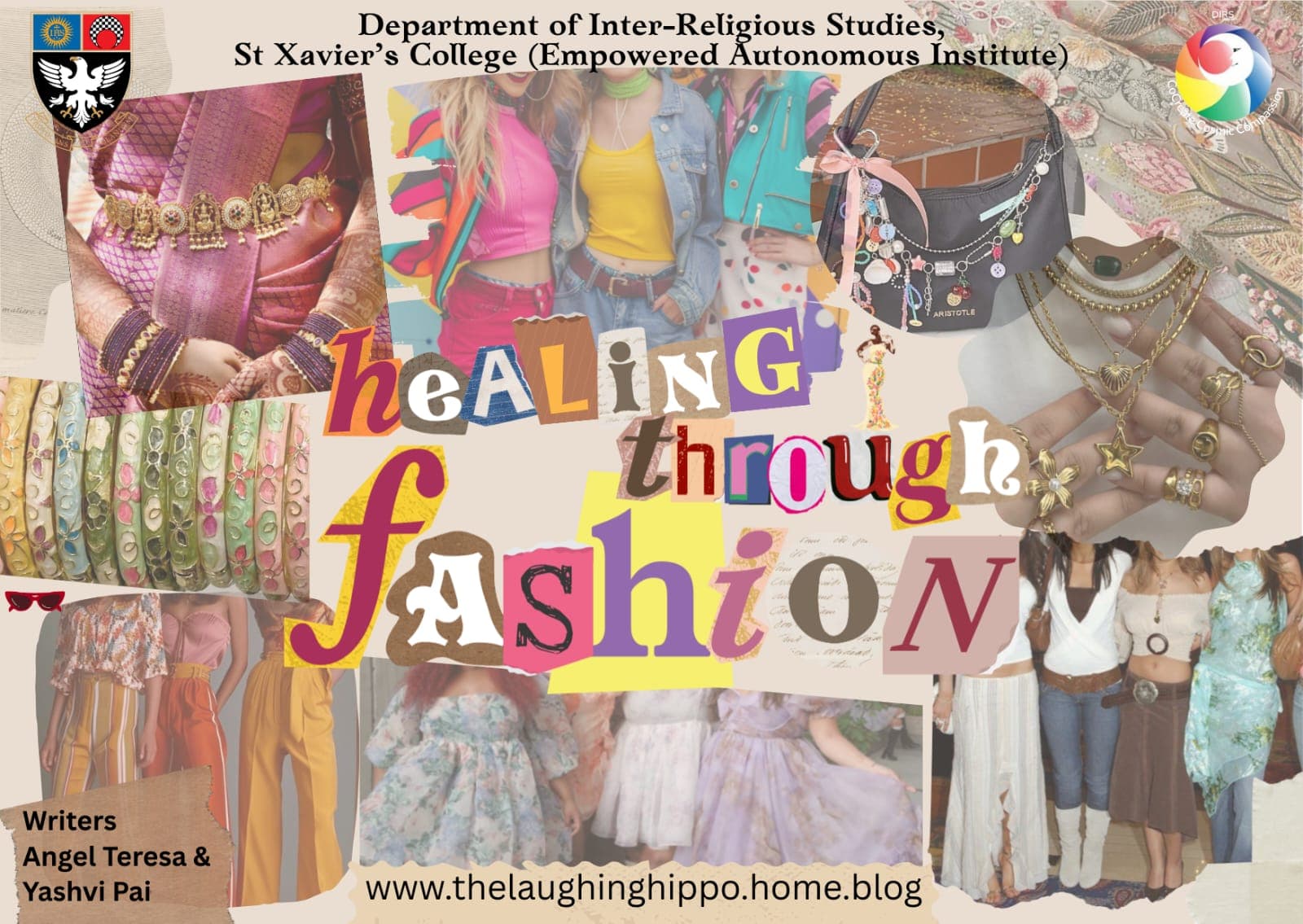
There are many ways in which people work towards healing themselves, and self-expression through fashion is one such method. Clothes speak without words. Every clothing choice, whether it is a favourite colour or a specific garment, reflects who you are. People use fashion to communicate identity, culture, and mood. Wearing clothes that align with your personality can foster a deeper sense of self-authenticity and support emotional well-being.
Fashion is different from other forms of artistic expression: it is the only form of art that people consume every day and wear on their bodies. Unlike art forms that hang on walls or music that plays in the background, fashion is experienced and lived. Research shows that clothing directly influences how we think and act. A well-chosen outfit, tailored to fit and complement your body, can boost confidence, support positive body image, and create a sense of accomplishment. The connection between fashion psychology and mental health is not merely a theory; numerous studies have demonstrated that clothing influences emotional state, behaviour, and performance.
The social and psychological aspects of clothing, such as the ability to communicate personality and values, extend the influence of style beyond the individual. There is often pressure on individuals to dress like others to feel a sense of belonging or acceptance. Group norms and media platforms fuel such conformity. Nevertheless, diversity in fashion is a fundamental aspect of human culture that cannot be replaced or diminished by modern trends of conformity among an ever-growing globalised population. The process of healing through fashion starts when we see ourselves clearly and embrace all sides of ourselves, from joy to sadness and power to vulnerability. Mindfulness in fashion helps us develop self-compassion and challenge the negative dialogue we have with ourselves. The more intentional our choices about our attire are, the better equipped we are to love and accept ourselves for who we are.
One of the biggest hurdles to authenticity in fashion is the fear of appearing to try too hard, which is often interpreted as attention-seeking or as being excessively “fashion-conscious.” This creates an environment in which one wants to put effort into dressing but limits themselves. When people are worried about how others will view them, they often hold back from wearing things that truly represent who they are, fearing they will be considered an outcast or perceived as being “over the top.”
For individuals facing challenges such as poor body image, selecting clothes that make them feel attractive while aligning with their personal style can help them reclaim confidence and build self-worth. We should explore respecting all forms of expression without shame, creating space for inclusive social healing where diverse fashion choices are celebrated rather than judged. Allow yourself to wear what soothes your soul while being respectful of your environment. Whether it is athleisure for comfort or over-the-top ensembles for creativity, there is no “one-size-fits-all” solution.
2. Fashion as a manifestation of cultural identity
We have established that fashion is not simply an accessory to flaunt in public, but a consciousness that is deeply intertwined with one’s personality. However, it is not always limited to individual expression. It carries stories of communities that have been crucial in shaping the past, present, and future of the fashion industry. These communities are often robbed of their traditional styles; turning sacred, meaningful traditions into mere embellishments.
In May 2025, Alia Bhatt wore a sequined saree to the Cannes Film Festival. Though the Indian drape inspired the iconic fashion statement crafted by Gucci, it was mislabelled as a “custom gown.” This seemingly trivial oversight represents the colonial tendency to exoticise and replicate indigenous cultures. This is an example of cultural appropriation where members of a dominant group adopt elements of a minority culture without fully understanding its essence. In the summer of 2024, a viral TikTok video featured a group of women dressed in summer gowns. Their outfits were complemented by soft, flowing scarves wrapped around the shoulders. The video was captioned, “It’s very European; it’s very classy.” This began the trend of passing off dupattas as “Scandinavian Scarves.” As an integral element of the Indian ensemble, it symbolises femininity, elegance and tradition. However, it loses its true meaning when unthinkingly applied to a Western context.
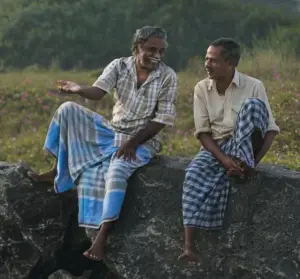
Madras check lungi; Pinterest

Madras check shirt; Pinterest
On the quiet coast of Madrasapattinam, local weavers used to weave a lightweight cotton fabric, dyed with vibrant natural dyes and featuring the same checkered pattern on both sides—this fabric, which local men draped as a lungi, charmed the British. Such was their fascination with the fabric that Elihu Yale, the governor of Madras, shipped loads of “Madras Check fabric” to the US.
From here on, the humble Madras check travelled to the wardrobes of affluent American businessmen, Ivy League students and advertising executives. Isn’t it ironic that upper-class “elites” would readily adapt to a fisherman’s fabric, unaware of its real significance? Another product of Indian origin that became a symbol of resistance is the bandana. The word bandana comes from the Hindi word “bandhana”, which means to tie. This refers to the unique technique of knot-dyeing used to craft this vibrant, colourful fabric. With the advent of the British East India Company, this fabric travelled to Britain, France and subsequently to the USA, where it became an active element of the freedom struggle. From here on, the bandana became involved in socio-political movements and influenced colonial identity and chic fashion statements. However, as it shone in global movements, its Indian identity faded into the background.
More often than not, such instances of cultural appropriation are overlooked. Every uncredited use of Indian craftsmanship causes cultural origins to get lost in translation, resulting in significant economic loss. A legally empowering safeguard measure is the provision of Geographical Indication (GI) tags through Intellectual Property Rights (IPR). Another solution is to create opportunities for collaborations between artisans and fashion brands. This will provide the artisans with the recognition they deserve while allowing brands to diversify their products.
Our outfits and accessories are not just for appeasement. They serve the greater purpose of enabling self-expression and authentic cultural representation. By reclaiming our cultural attire and asserting our right to dress freely, we are healing parts of ourselves that we never knew was broken to begin with.
Comments (0)
Sign in to leave a comment