
When Healing Flows Through Nature: An Account of Indian Tribal Narratives
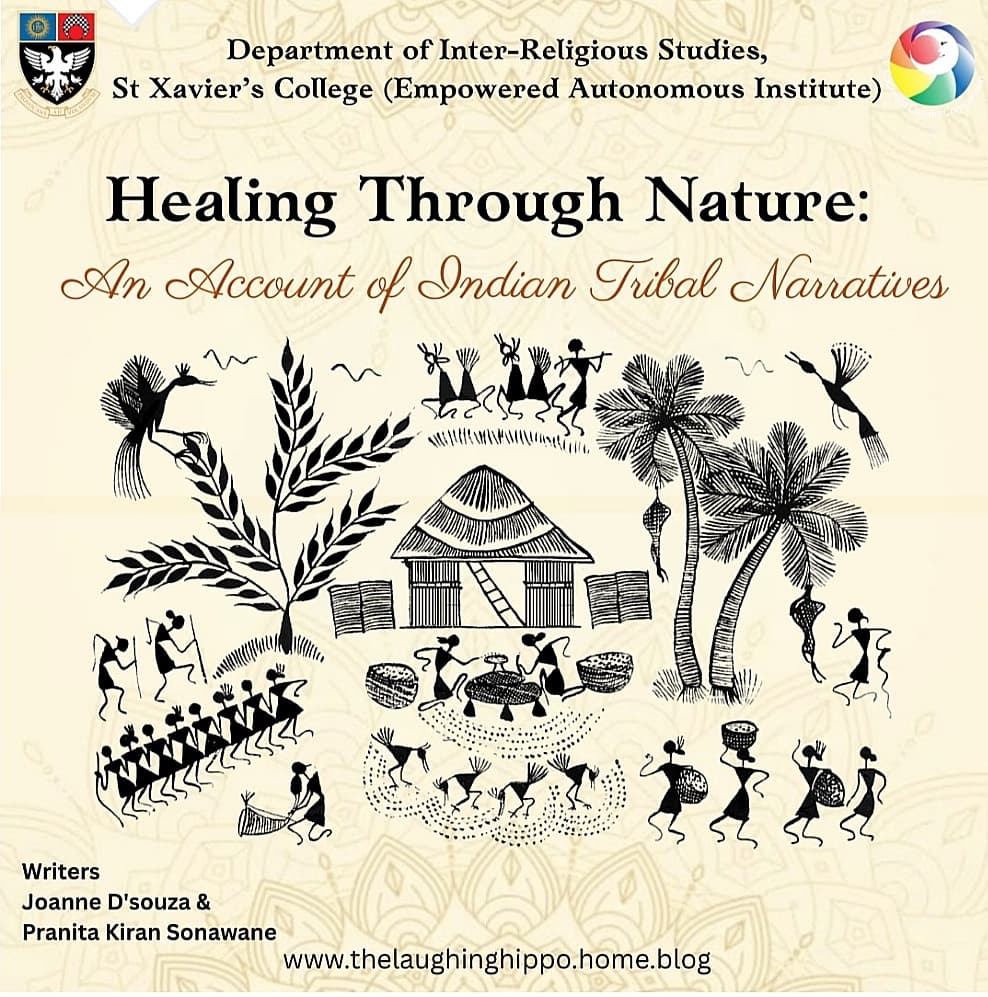
In 1994, the United Nations General Assembly declared August 9 as ‘World Indigenous Day’ to celebrate the contribution of indigenous communities to global culture and ecological well-being. It marks the first meeting of the UN Working Group on Indigenous Populations in 1982. The day serves as a reminder to spread awareness about indigenous rights and the challenges they face in safeguarding their dignity, population, languages and cultures. The UN seeks to promote indigenous participation in the decision-making process that concerns their progress and protection of rights.
Indigenous communities are the original inhabitants of a region who have been living there for many centuries. Adivasis are indigenous tribes considered to be the first inhabitants of the Indian subcontinent. The word ‘adivasi’ itself means ‘original inhabitants’. The Indian Constitution classifies them as Scheduled Tribes in recognition of the marginalising injustice they have historically faced. Adivasis are given special provisions in the educational and healthcare sectors to secure social justice for them. Over 700 tribes comprise 8.6% of India’s population, with 55% residing in the central and eastern regions of the country.
They often live in or around forests and share a deep connection with nature, which is their primary source of sustenance and spiritual wellness. Nature is revered like a mother, and rivers are seen as life-givers. Culture is an essential form of expression and bonding. Their oral traditions, folk literature, paintings, pottery, woven items, dance, and music depict their daily lives, mythological stories, agricultural cycles, and relationship with nature. The songs of the Mizoram tribes, the worship of stones and pebbles by the Kuki tribe, Madhubani paintings from Bihar’s Mithila region, and the Bihu dance from Assam are well-known cultural markers. Toda embroidery from the Nilgiri mountains and the vibrant jewellery of Rajasthan’s Banjara tribe are some examples of Indian tribal embellishments.
Renowned art forms include Warli from Maharashtra, Gond from Madhya Pradesh and Dokra from Madhya Pradesh and West Bengal, among others. Some tribal languages include Garo and Khasi, spoken by the two Meghalayan tribes respectively, Santhali, spoken by the Santhal tribe; Mizo, spoken by the Mizo tribe; and Gondi, spoken by the Gond tribe. Tribal festivals often revolve around the Panchabhutas (five natural elements), the preservation of biodiversity, and their reverence for nature. Examples include Sarhul, Karam, Chhath Puja, and the Dree festival, among others.
Healing is at the heart of their relationship with nature. For instance, the Soliga tribe of Karnataka believes that the forest is both a provider and a healer; they gather herbs like amruthaballi (Tinospora cordifolia) to strengthen immunity and use honey as a natural antiseptic. The Kani tribe in Kerala is renowned for its deep botanical knowledge, which led to the discovery of the medicinal plant Arogyapacha, later used in energy-boosting supplements. For indigenous tribes, the forest is not just a resource; it is a living companion and sacred healer. Plants are not merely raw materials but living entities with spirits, capable of offering cures for physical and emotional ailments.

Kerala’s Soliga tribe performing the Gorukana dance
The spiritual aspect of healing is profound. In the Mishing tribe of Assam, healing ceremonies often involve the entire village, where elders chant, drum, and share symbolic meals to ward off illness and restore social harmony. Many tribes believe in guardian spirits that inhabit rivers, mountains, and trees. The Garo community of Meghalaya, for instance, performs rituals by sacred streams to seek blessings for good health and a fruitful harvest. This worldview fosters a deep sense of accountability toward the environment, ensuring that resources are used mindfully and replenished whenever possible. Sacred groves, such as Law Kyntang and Mawphlang in Meghalaya or Devarakadu in Karnataka, are not only religious sites but also reservoirs of biodiversity and climate resilience.
Beyond their cultural vibrancy, Indian tribes face multiple challenges that threaten their way of life. Issues such as displacement due to industrial projects, deforestation, mining, and urban expansion have disrupted their ancestral lands. Many have been forced to relocate, losing their homes, cultural identity and livelihood. Education and healthcare access remain limited in remote tribal areas, resulting in lower literacy rates and preventable health issues. With modernisation, younger generations may shift to dominant languages, risking the disappearance of centuries-old oral traditions.
Yet, in the face of these hardships, the resilience of indigenous tribes stands out. Many groups have formed self-help collectives and advocacy networks to protect their rights, promote eco-friendly practices, and share cultural knowledge. Grassroots movements led by tribal leaders have successfully resisted harmful industrial projects. Their sustainable practices, from rotational farming used by Arunachal Pradesh’s Apatani tribe to the water harvesting techniques of the Bhil community in Rajasthan, offer valuable lessons for combating climate change and environmental degradation globally.
Modern society can draw inspiration from these philosophies. While industrialisation and urbanisation have distanced people from the land, the indigenous approach reminds us that wellness is inseparable from environmental health. Schools could introduce modules on indigenous ecological practices and urban planners could preserve green commons (areas of vegetation) as community spaces. Healthcare systems could collaborate with tribal healers for preventive care models that combine modern science with traditional wisdom. Even in everyday habits, people can adopt simple rituals, such as seasonal eating, waste segregation, and tree planting — acts that mirror indigenous respect for natural cycles.
In conclusion, Indian indigenous tribes embody human connection with nature. Their art, language, and customs are not relics of the past, but evolving traditions that hold the key to a more balanced future. Honouring and protecting them is not only a matter of preserving heritage but also an act of healing the planet, society, and ourselves. The more we learn from them, the more we realise that healing isn’t just a remedy, it is a relationship.

Mawphalang – one of Meghalaya’s sacred groves
Comments (0)
Sign in to leave a comment